

One Size Does Not Fit All: The Strategic Advantage of Platform Choice
01. Platform
Most agencies in South Africa are “WordPress Agencies.” That means whether you are a global e-commerce brand or a high-speed tech startup, they will force your business into the same WordPress box. At Designtalks, we refuse to operate that way. We are Platform Agnostic.


The Problem: The "One-Size-Fits-All" Trap
We are strategic consultants first, and developers second. We believe your business goals should dictate your technology—not the other way around. By mastering the three dominant pillars of the modern web—WordPress, Webflow, and Shopify—we offer unbiased, architectural advice to ensure your digital foundation is solid, scalable, and ready for the future of Generative Engine Optimization (GEO).
Our "GEO-First" Guarantee Across All Platforms
It doesn’t matter which CMS we choose; the foundation is always the same. Every Designtalks website is engineered with our proprietary Generative Engine Optimization (GEO) protocols.
We ensure that whether you are on WordPress, Webflow, or Shopify, your structured data (Schema) is optimized so that AI search engines can “read” and recommend your brand as the authority
The Titans Compared: Which Engine Drives Your Business?
1. WordPress: The Content & SEO Juggernaut
Best For: Publishers, Complex Service Businesses, and Enterprise SEO.
WordPress: The Open-Source Giant, remains the king of flexibility. We recommend this for clients who need deep, granular control over their data and a massive library of plugins. If your strategy involves thousands of blog posts and complex user memberships, this is your home.
Designtalks Edge: We strip away the bloat. Our custom WordPress builds achieve “Good” Core Web Vitals scores, solving the speed issues that plague standard templates.
2. Webflow: The Designer’s Dream (No-Code Speed)
Best For: SaaS Startups, Creative Agencies, and High-Conversion Landing Pages.
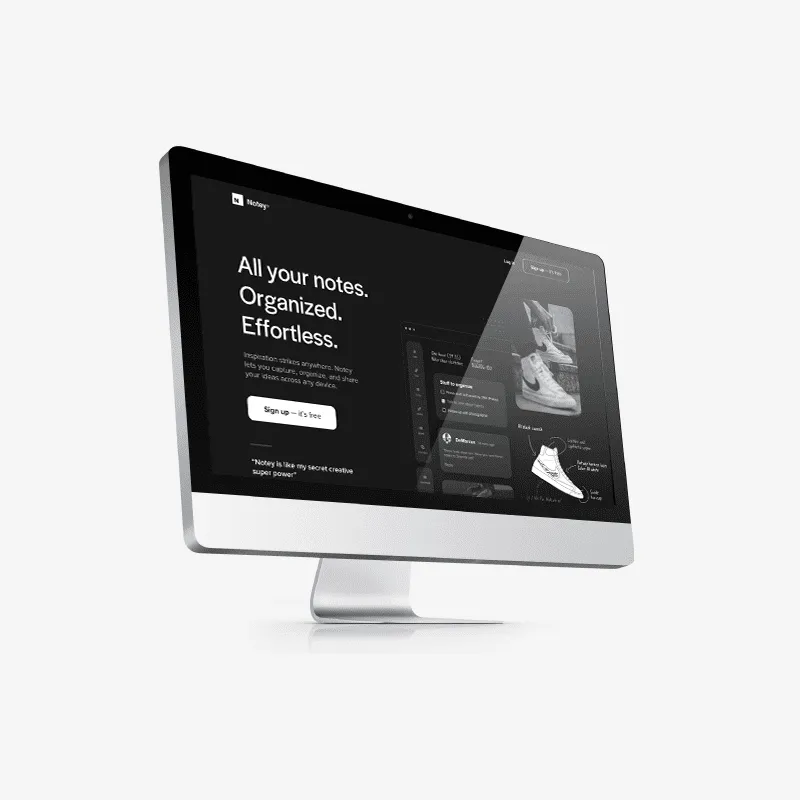
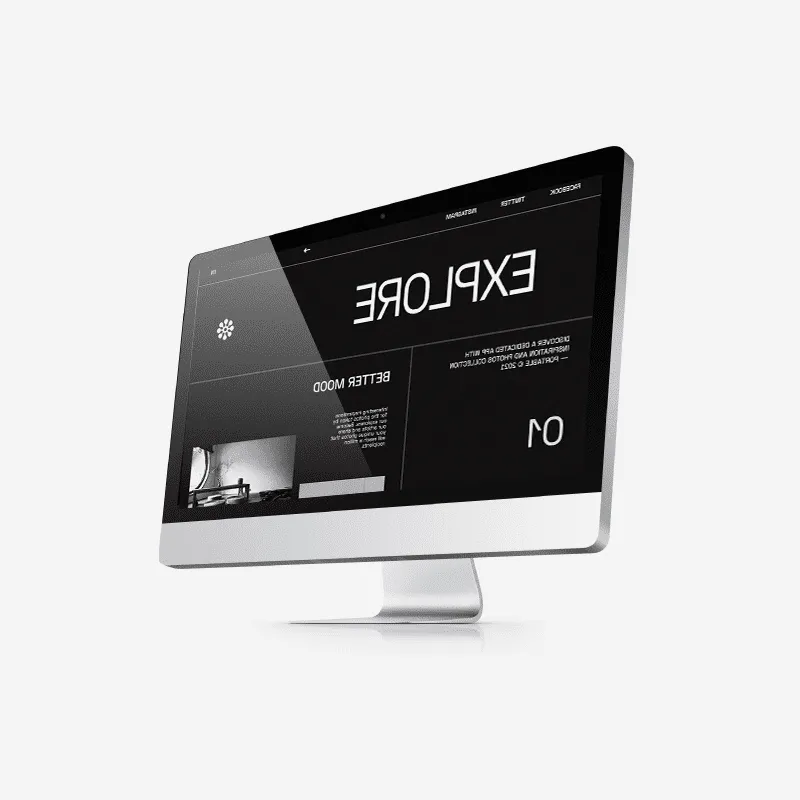
When visual impact and speed-to-market are paramount, Webflow is unbeatable. It allows us to build stunning, award-winning animations and interactions without the heavy “code debt” of traditional platforms. It is secure, hosted, and incredibly fast.
Designtalks Edge: We structure Webflow specifically for Generative Engine Optimization (GEO), ensuring your beautiful site is still readable by AI search agents like Google Gemini and ChatGPT.
3. Shopify: The E-Commerce Empire
Best For: Pure Retail, Dropshipping, and Global Sales.
If you are selling products, don’t try to hack a blogging platform to do a retailer’s job. Shopify is the gold standard for transaction security and inventory management. It is built to convert shoppers into buyers from day one.
Designtalks Edge: We code custom “Liquid” templates that break the “cookie-cutter” Shopify look, giving you a unique brand experience with the rock-solid stability of the world’s biggest store builder.
We analyze your ten-year roadmap—considering scalability.
Next Step: The Platform Audit
Selecting the digital infrastructure that will power your brand is a critical investment, not a gamble. A platform that serves you today could easily become your biggest bottleneck tomorrow, trapping your business in a cycle of expensive rebuilds and complex data migrations. Instead of guessing whether WordPress, Webflow, or Shopify fits your trajectory, let us engineer the answer.
Breaking the Single-Platform Constraint
Why settle for one platform when your business demands flexibility? We offer expert development on the three industry-leading systems: WordPress, Webflow, and Shopify. This range allows us to design and build a solution that is perfectly aligned with your long-term vision, ensuring optimal performance, scalability, and ease of use for your team.
Your Strategic Partner in Web Design
Don’t limit your business. Designtalks offers platform-agnostic web solutions across WordPress, Webflow, and Shopify. Consult with our experts to choose the right technology for your success.
Technical Edge: Ensure your site uses WebP/AVIF images and Server-Side Rendering (SSR). Mentioning specific tech stacks like “Next.js” or “Tailwind” helps signal technical superiority over traditional WordPress agencies
/FAQ
Why Platform Flexibility Matters
Choosing the wrong platform can lead to bloated costs, slow performance, or an inability to scale when your business grows. "Jack-of-all-trades" platforms often master none.
To maintain a true Technical Edge, we ensure every site leverages WebP and AVIF image formats for next-generation compression without quality loss, alongside Server-Side Rendering (SSR) for lightning-fast initial load times. By utilizing elite tech stacks like Next.js and Tailwind CSS, we signal a level of technical superiority and future-proofed scalability that traditional, bloated WordPress agencies simply cannot match.
Frequently Asked Questions - FAQs
Why does Designtalks offer three platforms instead of specializing in just one?
We believe in “Right Tool for the Job.” Many agencies specialize in only one platform (like WordPress), which forces them to recommend it for every single project, even when it isn’t the best fit. By mastering WordPress, Webflow, and Shopify, we can offer you unbiased, strategic advice based on what your business actually needs, not just on what we know how to code.
Most agencies say WordPress is the best solution for everyone. Is that true?
Not anymore. WordPress is powerful and powers a huge portion of the web, but it requires regular maintenance and security updates. For clients who want zero-maintenance security and high-end visual design, Webflow is often superior. For dedicated e-commerce, Shopify offers a checkout experience that is hard to beat. We help you look past the popularity contest to find the best technical fit.
How do you decide which platform to recommend for my project?
We conduct a “Platform Audit” before we start designing. We look at three main factors:
Functionality: Do you need a complex database (WordPress) or a pure marketing funnel (Webflow)?
Scalability: Are you selling 10 products or 10,000?
Team Capability: Who will manage the site after launch? We choose the dashboard that your internal team will find easiest to use.
I already have a WordPress site. Can you migrate it to Webflow or Shopify?
Absolutely. Migration is one of our core services. We can take your existing content and design and move it to a new infrastructure that offers better speed, security, or ease of use. We ensure that your SEO rankings are preserved during the switch by managing redirects and structure properly.
Which platform is better for SEO?
All three platforms can rank highly if built correctly. The “best” one depends on your content strategy. WordPress has the deepest plugin ecosystem for technical SEO. Webflow has the cleanest code (which Google loves for speed). Shopify has built-in structured data for products. At Designtalks, we build your site with Generative Engine Optimization (GEO) principles regardless of the platform you choose.
Is there a cost difference between developing on these platforms?
Yes, but it balances out over time. WordPress is free open-source software, but you pay for hosting, premium plugins, and ongoing maintenance. Webflow and Shopify have monthly subscription fees, but they handle hosting, security, and updates for you. We will provide a “Total Cost of Ownership” breakdown so you can see the long-term investment for each option.
Platform Deep Dive: A Transparent Comparison
We don’t hide the flaws of any platform. Part of being a strategic partner is ensuring you know exactly what you are signing up for. Here is our honest assessment of the three major engines we use.
1. WordPress
The Open-Source Standard
The Strategic Advantage (Pros) WordPress offers unparalleled freedom. Because it powers over 40% of the web, the ecosystem of plugins and developers is massive. It is the best choice if you need complex functionality—like membership areas, intricate booking systems, or heavy database usage—without building from scratch. You own your data and your code completely.
The Trade-Off (Cons) Great power requires great responsibility. Because it is open-source, it is a frequent target for hackers. It requires a monthly maintenance retainer to keep themes and plugins updated and secure. Without professional optimization, “plugin bloat” can significantly slow down your site speed.
2. Webflow
The Visual Perfectionist
The Strategic Advantage (Pros) Webflow is the future of high-end visual design. It allows us to build distinct, award-winning animations and interactions that feel incredibly premium. The code is clean and hosted on Amazon Web Services (AWS), making it blazing fast and virtually unhackable. There are no plugins to update, so your “maintenance” cost is strictly for hosting, not fixing broken code.
The Trade-Off (Cons) While the Content Editor is easy for clients to use, the actual design interface has a steep learning curve. You will likely need us for any major structural changes. Additionally, while capable, its e-commerce features are not as robust or automated as Shopify’s for large-scale retail.
3. Shopify
The Retail Engine
The Strategic Advantage (Pros) If your primary goal is moving physical inventory, Shopify is the undisputed king. It handles the scary parts of the web—security, payment gateways, and inventory syncing—automatically. It converts visitors into buyers better than almost any other checkout experience out of the box. It integrates seamlessly with Instagram, TikTok, and Google Shopping.
The Trade-Off (Cons) You are renting the house, not buying it. You pay monthly subscriptions and transaction fees on sales. Customizing the URL structure for SEO can be rigid, and creating a truly unique, non-template design requires a specialized developer who knows the “Liquid” coding language—which, fortunately, Designtalks possesses.
The Bottom Line
Choose WordPress for flexibility and complex data.
Choose Webflow for speed, security, and visual impact.
Choose Shopify for serious, high-volume retail.
Still not sure which trade-off is right for you? Let’s look at your business model together. Contact Designtalks for your platform strategy session.